
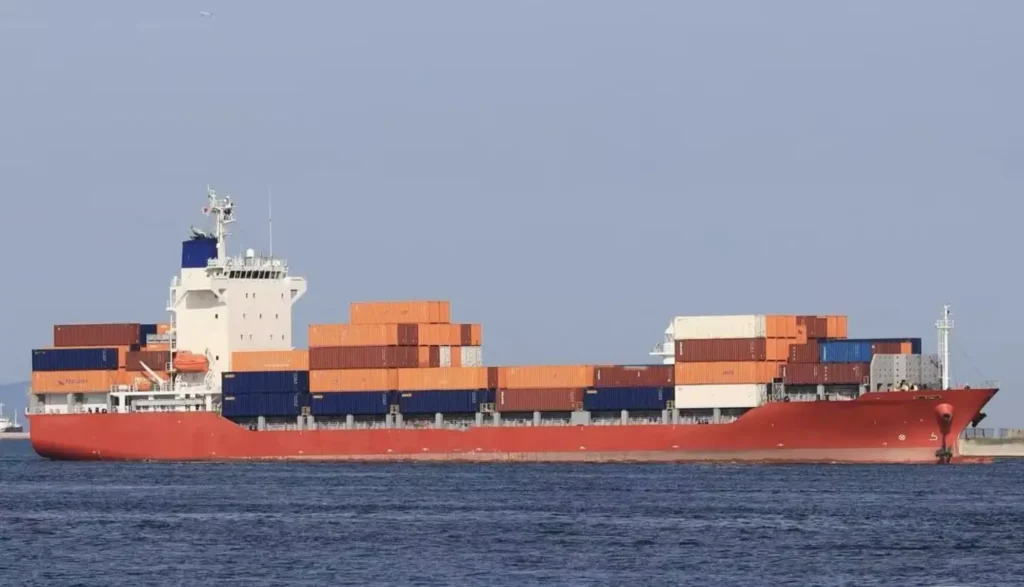
Indonesian shipyards and vessel owners need marine pumps that can operate reliably under humid, corrosive and space-constrained conditions. For outfitting projects, the pump package is not only a mechanical component. It affects fire safety, ballast control, cooling circulation, classification approval and long-term maintenance planning.
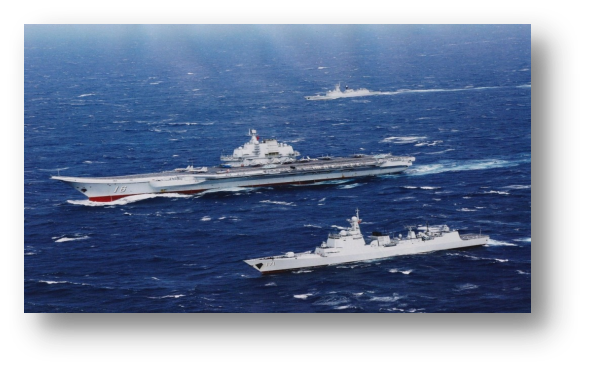
This guide explains how to select marine pumps for Indonesian shipyard projects, especially for fire pump, ballast pump and cooling water duties. It is written for procurement teams, shipyard engineers and project contractors comparing pump specifications before sending an inquiry.
Key Marine Pump Applications in Shipyard Projects
A vessel normally requires several pump types rather than one universal solution. The most common systems include firefighting, ballast, cooling, bilge, fuel oil transfer, lubricating oil circulation and sanitary water service. Each duty has different flow, head, material and approval requirements.
| Marine system | Typical pump type | Main selection factors |
|---|---|---|
| Firefighting system | Marine centrifugal pump | Stable flow, required head, classification compliance, emergency reliability |
| Ballast system | Marine centrifugal pump | High capacity, corrosion resistance, seawater compatibility, easy maintenance |
| Cooling water system | Centrifugal pump | Continuous operation, low vibration, suitable material for fresh or seawater |
| Fuel oil transfer | Three screw pump or twin screw pump | Viscosity, temperature, suction performance, low pulsation |
| Lubricating oil system | Three screw pump | Stable pressure, low noise, clean lubricating media, long service life |
| Bilge or wastewater service | Eccentric helical rotor pump | Solids tolerance, self-priming ability, continuous transfer of mixed liquids |
Fire Pump Selection: Reliability Comes First
Marine fire pumps are safety-critical. When selecting a pump for a shipyard project, engineers should confirm the required flow rate, discharge head, seawater conditions, motor configuration, available installation space and applicable class requirements. A fire pump must be able to start quickly and deliver stable pressure when the system is activated.
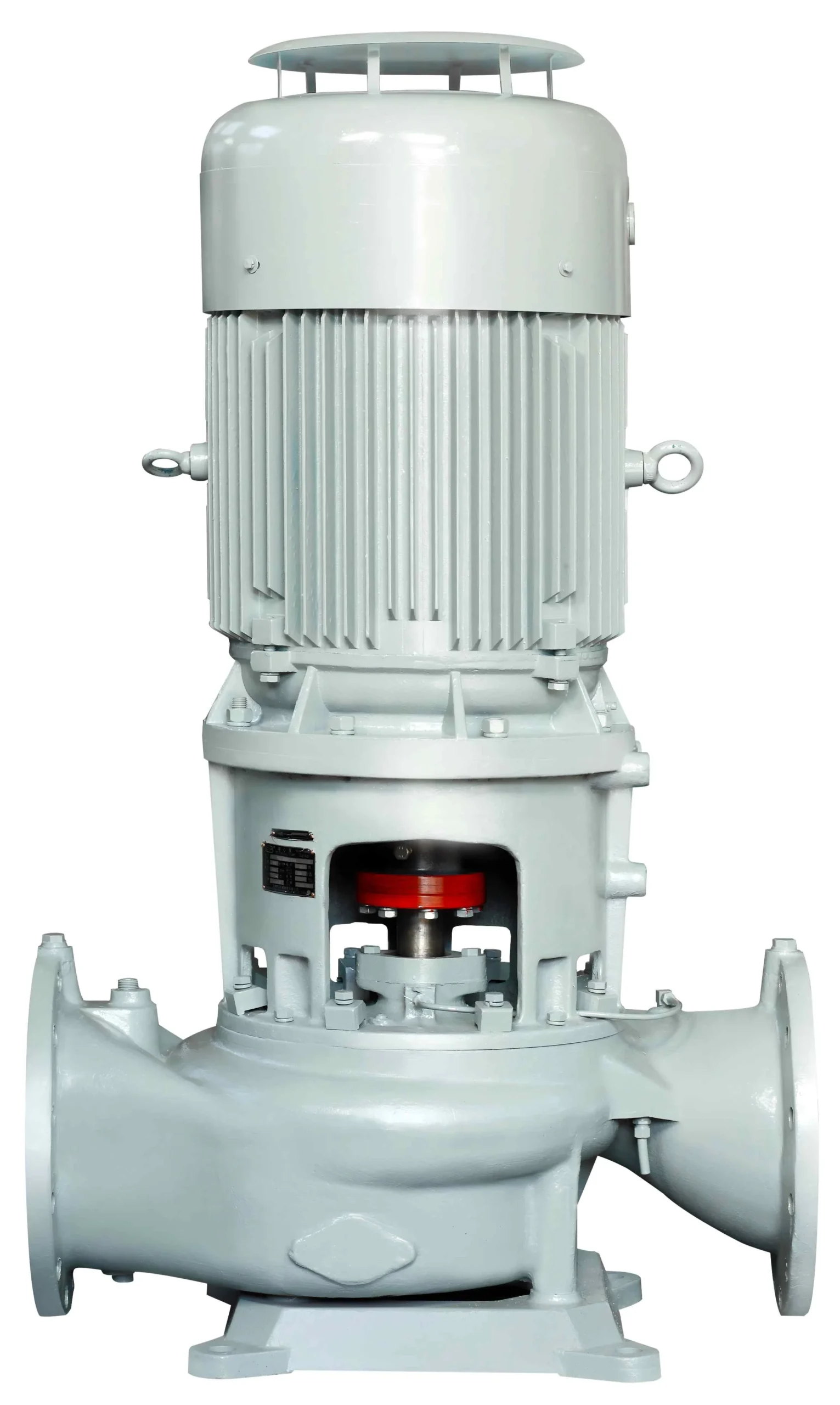
For this duty, CTP centrifugal pumps can be considered for marine firefighting and seawater transfer applications. The pump design focuses on stable running, low vibration and dependable operation in vessel service conditions.
Ballast Pump Selection: Capacity and Corrosion Resistance
Ballast pumps are used to adjust vessel stability during loading, unloading and operation. For Indonesian shipyards, seawater compatibility is usually a major concern because ballast systems work in a humid and saline environment. The selected pump should provide sufficient capacity while keeping maintenance practical for ship operators.
Important selection points include pump capacity, total head, NPSH margin, material configuration, sealing arrangement, motor protection and installation orientation. If the operating condition is not fixed, the inquiry should include the expected flow range and the pipe layout so engineers can verify the suitable model.
Cooling Water Pumps: Continuous Operation Matters
Cooling systems support engines, generators and auxiliary equipment. Unlike intermittent transfer pumps, cooling water pumps often run for long periods. Low vibration, bearing life, motor reliability and service access are therefore important. The pump should be selected according to water type, temperature, pressure loss and the required cooling circuit flow.
When Screw Pumps Are Better Than Centrifugal Pumps
Not every marine liquid should be handled by a centrifugal pump. For fuel oil, lubricating oil and other viscous liquids, a positive displacement pump is often a better option. Three screw pumps are suitable for clean lubricating liquids with stable flow and low pulsation. Twin screw pumps can handle a wider range of viscous fluids and certain multiphase transfer conditions.
| Fluid condition | Recommended pump direction | Reason |
|---|---|---|
| Seawater or freshwater | Centrifugal pump | Suitable for high flow water transfer, cooling and ballast systems |
| Clean lubricating oil | Three screw pump | Low pulsation, stable pressure and long service life |
| Heavy fuel oil or high-viscosity oil | Twin screw pump or three screw pump | Better suction and viscosity handling than general centrifugal pumps |
| Liquid with solids or fibers | Eccentric helical rotor pump | More tolerant of non-clean media and mixed fluids |
Example: CTP Marine Pump Project in Indonesia
CTP delivered EMC and TMS series centrifugal pumps to shipyards in Indonesia for marine fire pump and ballast pump applications during ship outfitting. The pump sets were selected according to shipbuilding technical requirements and international classification society rules, supporting reliable operation in marine firefighting and ballast systems.
This project reflects the growing demand for engineered marine pump packages in Southeast Asia, where shipyards need equipment that is technically suitable, documentation-ready and practical for long-term vessel operation.
Information to Prepare Before Requesting a Marine Pump Quote
- Application: fire, ballast, cooling, fuel oil, lubricating oil or bilge service
- Medium: seawater, freshwater, fuel oil, lubricating oil, chemical liquid or mixed fluid
- Flow rate and head requirements
- Operating temperature and viscosity, if applicable
- Power supply and motor requirements
- Material requirements for seawater or corrosive service
- Classification society or project documentation requirements
- Installation space, inlet/outlet direction and piping conditions
FAQ
Which pump is commonly used for marine firefighting systems?
Marine centrifugal pumps are commonly used for firefighting systems because they can provide stable flow and head for water transfer duties. The final model should be selected according to project flow, head and classification requirements.
Can one pump type handle all shipboard liquids?
No. Water transfer, fuel oil, lubricating oil and bilge service normally require different pump types. Centrifugal pumps are suitable for many water duties, while screw pumps are often better for viscous oil transfer and lubrication systems.
What should Indonesian shipyards provide when asking for pump selection?
Shipyards should provide the application, medium, flow rate, head, temperature, viscosity, motor requirement, material requirement and any class approval needs. These details help engineers select a suitable pump package more quickly.
Need Help Selecting Marine Pumps for a Southeast Asia Project?
CTP provides centrifugal pumps, screw pumps, gear pumps and eccentric helical rotor pumps for marine, oil & gas, power plant and industrial applications. If you are working on a shipyard or vessel outfitting project in Indonesia or Southeast Asia, send your operating conditions through our Pump Selection Assistance page or contact the CTP team for model recommendations.
Pingback: Marine Centrifugal Pump Replacement: 7 Essential Checks