
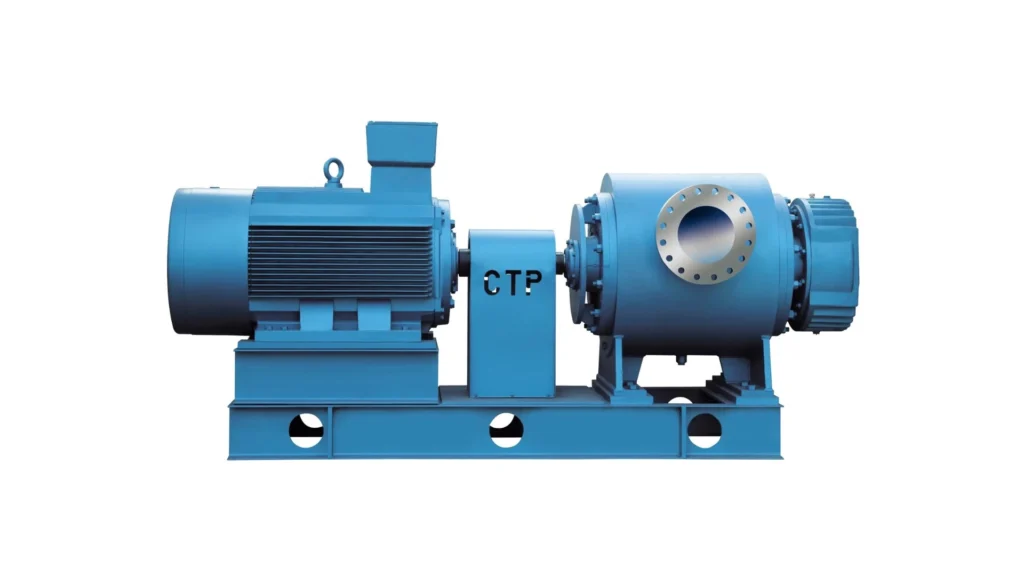
PUMP SELECTION GUIDE | INDUSTRIAL AND MARINE APPLICATIONS
Choosing between a twin screw pump and a three screw pump is not a matter of counting screws alone. The right configuration depends on the liquid, viscosity, lubricity, solids or gas content, required flow, differential pressure, suction conditions, installation arrangement and the duty of the complete pumping system.
This guide explains the practical difference between a twin screw pump vs three screw pump, using CTP Pumps’ published product information for the two product families. It is intended for shipyards, equipment engineers, plant operators, distributors and procurement teams evaluating an industrial or marine screw pump manufacturer.
What Is the Difference Between a Twin Screw Pump and a Three Screw Pump?
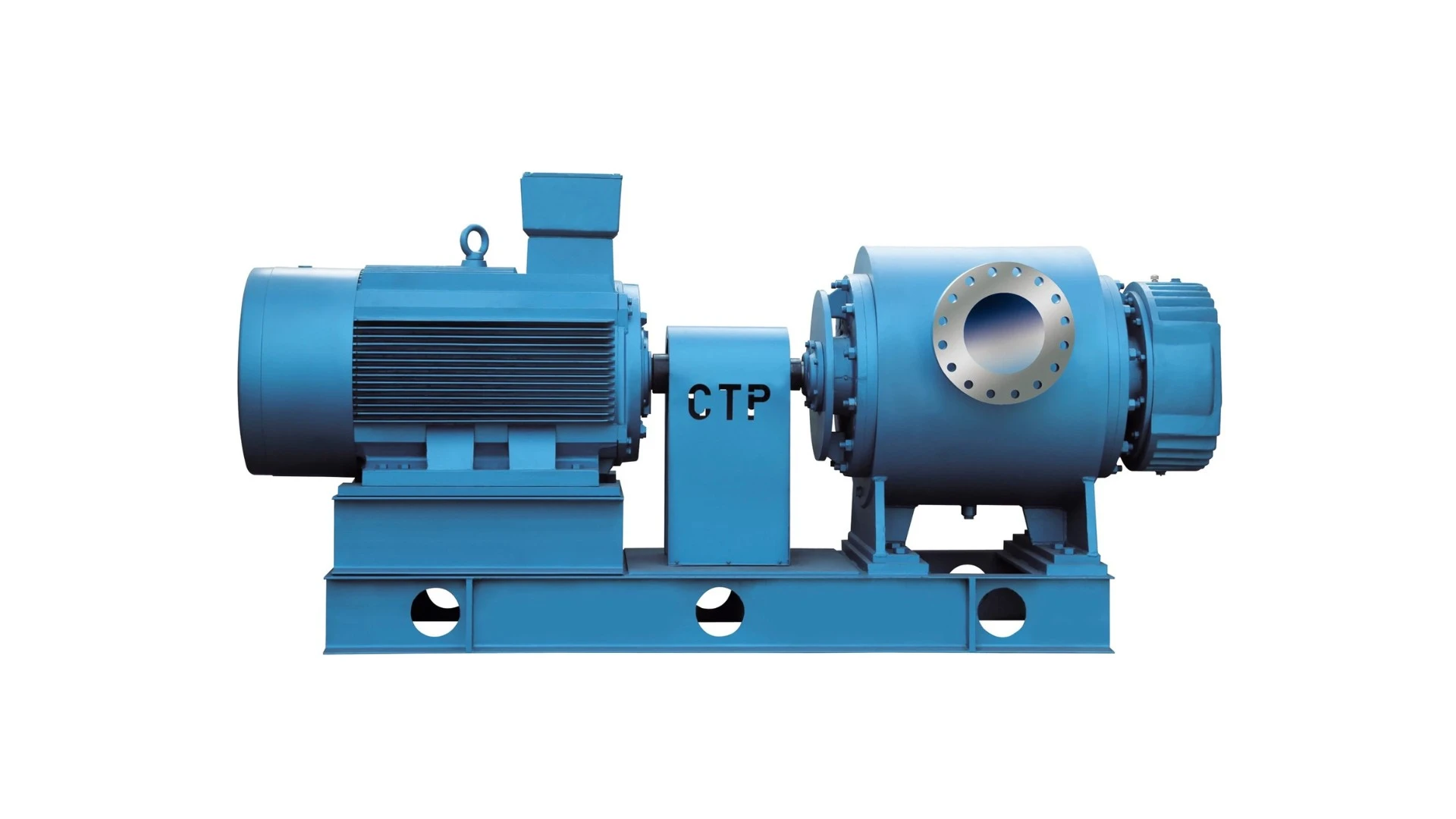
A twin screw pump uses two intermeshing screws to move liquid through the pump. The CTP twin screw pump range includes multiple series and installation arrangements. Its published design features include good self-priming ability, a simple structure, durability and reduced sensitivity to impurities in the liquid, subject to the selected series and confirmed operating conditions.
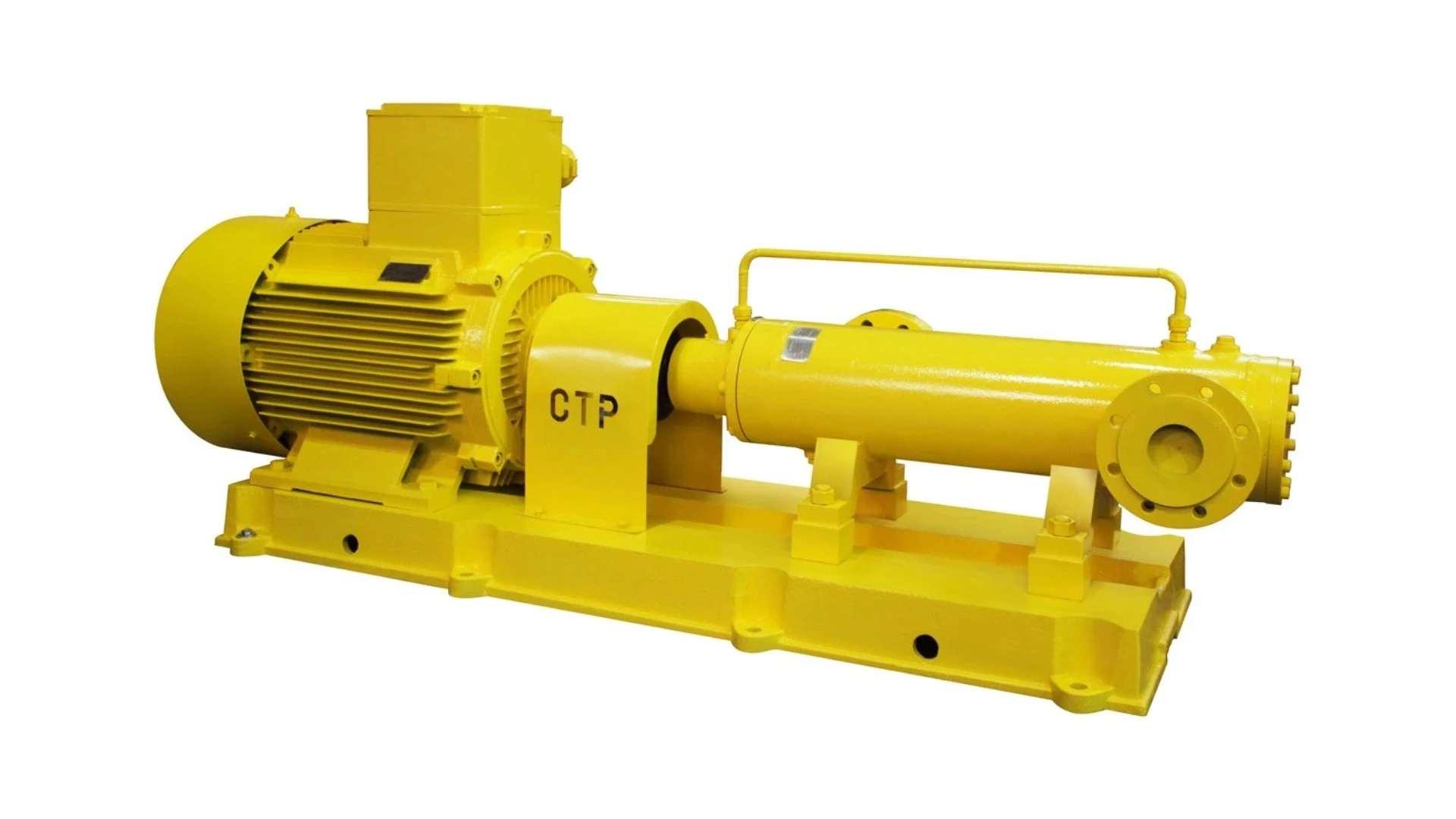
A three screw pump uses one power screw and two idler screws to form a continuous axial flow path. CTP’s published three screw pump page describes self-priming and good suction performance, small capacity fluctuation, low vibration and noise, high efficiency and easy maintenance. Those statements describe the product family; final performance must still be checked for the selected model and duty point.
Both are positive-displacement screw pumps, but they are designed around different internal arrangements and application priorities. A twin screw pump supplier or three screw pump manufacturer should therefore review the actual duty data before recommending a series.
Twin Screw Pump vs Three Screw Pump: Quick Comparison
| Selection factor | Twin screw pump | Three screw pump |
|---|---|---|
| Internal arrangement | Two intermeshing screws form the pumping cavities. | One power screw and two idler screws form an axial flow path. |
| Published CTP design emphasis | Self-priming ability, simple structure, durability and usability across varied duties. | Good suction performance, low capacity fluctuation, low vibration and low noise. |
| Typical CTP application wording | Lubrication, hydraulic and cooling systems; shipbuilding; petroleum and chemical industries; power, metallurgy and machining. | Oil transfer, lubrication, hydraulic and process cooling systems; petrochemical, power, metallurgy, steel, shipping and machining. |
| Published media examples | Lubricating oil, mineral oil, synthetic hydraulic fluid, natural oils, selected fuel oils, asphalt, viscose fluids and emulsions. | Clean lubricating liquids, mineral oil, synthetic hydraulic oil, natural oil, selected fuel oils, asphalt, viscose and emulsions. |
| Final selection basis | Confirm liquid properties, flow, differential pressure, temperature, suction conditions, installation and the specific series data. | |
This comparison is a screening tool, not a universal ranking. The published CTP pages contain different series, specifications and installation options. Compare the duty point with the data for the actual series rather than applying a family-level statement to every model.
When Is a Twin Screw Pump a Strong Candidate?
A twin screw pump deserves early review when the project involves one or more of the following conditions:
- Lubricating oil, mineral oil, synthetic hydraulic fluid or natural oils.
- Selected light or heavy fuel oils, asphalt, viscose fluids or emulsions within the applicable series limits.
- Lubrication, hydraulic or equipment-cooling systems.
- Shipbuilding, petroleum and chemical, power, metallurgy or machining applications.
- A requirement to investigate self-priming ability, simple structure or sensitivity to impurities.
- A horizontal, vertical, submersible or multiphase installation that must be matched to a specific CTP series.
These points do not mean that every twin screw model is suitable for every liquid. Solids, gas content, lubricity, temperature and viscosity can change the selection completely. Send operating data to a twin screw pump manufacturer in China for a series-level review.
Review the CTP twin screw pump range for published application fields, media examples, series options and technical tables.
When Is a Three Screw Pump a Strong Candidate?
A three screw pump deserves early review when the duty emphasizes:
- Clean lubricating liquids such as lubricating oil, mineral oil, synthetic hydraulic oil or natural oil.
- Oil transfer, lubrication, hydraulic or process-cooling systems.
- Petrochemical, power, metallurgy, steel, shipping or machining applications.
- Good suction performance and self-priming behavior as part of the selection discussion.
- Low capacity fluctuation, low vibration and low noise for the complete installed system.
- A horizontal, vertical, flanged, wall-mounted or submersible arrangement available in the selected CTP series.
CTP’s three screw pump range includes many series, so a buyer should not select a model from the phrase “triple screw pump” alone. Viscosity, temperature, flow, pressure, speed, materials, sealing and installation need to be matched to the series documentation.
Review the CTP three screw pump range for published application fields, media examples, product families and technical specifications.
How Fluid Properties Change the Selection
Viscosity and temperature
Viscosity affects suction losses, filling, power demand, internal leakage and allowable speed. A liquid that is easy to pump at operating temperature may be much more demanding during cold start. Provide viscosity at startup, normal and maximum temperature instead of supplying only the liquid name.
Lubricity and contamination
Three screw pumps are often investigated for clean lubricating liquids, while the twin screw product page lists a wider set of media examples and notes reduced sensitivity to impurities as a design feature. Neither statement replaces a solids, fiber, gas and material-compatibility review for the selected series.
Gas, emulsions and multiphase conditions
Gas content and emulsions can affect filling, capacity and stability. A twin screw project may need a series intended for the stated multiphase or gas-handling condition. A three screw pump should be checked against the actual liquid and suction arrangement. Do not infer gas-handling capability from the pump family name.
How to Compare the Published CTP Product Pages
- Start with the twin screw pump page and three screw pump page.
- Confirm that the published media examples resemble the actual liquid.
- Compare the listed application fields with the plant, vessel or equipment package.
- Shortlist installation arrangements that fit the available space and piping.
- Check the series technical table for flow, pressure, speed, temperature and viscosity limits.
- Ask CTP Pumps to review the complete duty point before issuing a quotation.
Selection Checklist for a Screw Pump Supplier
Prepare the following information before contacting a screw pump supplier in China or comparing a twin screw pump with a triple screw pump:
- Liquid name, composition and density.
- Viscosity at startup, normal and maximum temperature.
- Lubricity, solids, fibers, gas content and corrosive components.
- Required flow rate and operating profile.
- Suction pressure, tank level, suction-pipe size and strainer information.
- Discharge pressure and total differential pressure.
- Operating and design temperature.
- Required materials, seals and shaft arrangement.
- Horizontal, vertical, flanged, wall, submersible or multiphase installation needs.
- Motor supply, area classification and any project documentation requirement.
For marine work, also identify the vessel system, pump location, fluid source and destination, duty cycle, replacement dimensions and any project-specific approval or document requirement. Approval scope is always subject to the selected product and project requirements.
Frequently Asked Questions
Is a twin screw pump better than a three screw pump?
Neither is universally better. They use different internal arrangements and may suit different liquids, installation conditions and priorities. Select the series that matches the confirmed duty data.
Which pump is better for lubricating oil?
Both product families can be considered for lubricating-oil duties. CTP’s three screw pump page specifically lists clean lubricating liquids, while the twin screw page also lists lubricating oil and other oil media. Viscosity, temperature, flow and pressure determine the final choice.
Can a twin screw pump handle fuel oil?
CTP’s twin screw pump page lists light and heavy fuel oil among the media examples. The exact model still needs to be checked for lubricity, viscosity, temperature, suction conditions and the applicable series limits.
Are three screw pumps suitable for marine applications?
CTP’s three screw pump page lists shipping among its application fields, and oil transfer, lubrication and hydraulic systems are marine duties to investigate. Confirm the vessel system, operating data and project documentation requirements before selection.
What information should I send for a quotation?
Send liquid properties, flow, suction pressure, discharge pressure, temperature, viscosity, installation arrangement, motor supply, existing pump nameplate and any project documentation requirement.
Conclusion: Choose the Configuration by Duty, Not by Name
The practical difference in a twin screw pump vs three screw pump decision is the combination of internal arrangement, fluid compatibility, suction behavior, flow stability, installation and series-specific limits. Twin screw pumps merit investigation for their published self-priming, structural and broader media considerations. Three screw pumps merit investigation where clean-oil handling, suction performance and low fluctuation are central priorities.
For a technical recommendation, use the CTP Pump Selection Assistance page and submit the duty data. A series-specific review is the reliable next step for shipyards, plant engineers, distributors and procurement teams.