
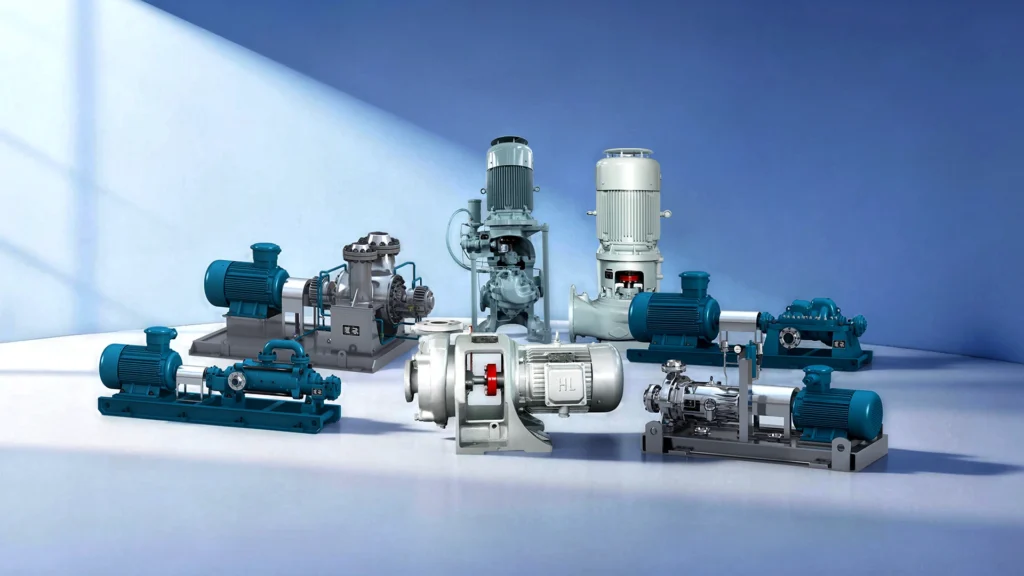
Fuel oil transfer is a critical auxiliary system on ships, offshore units and shipyard service projects. The pump must handle the required flow rate reliably, match the viscosity and temperature of the fuel, protect downstream equipment, and remain serviceable in a marine environment. For buyers and engineers, selecting the right marine fuel oil transfer pump is not only a product choice. It is also a decision about operating stability, maintenance workload and project documentation.
This guide explains how to compare three screw pumps, twin screw pumps and gear pumps for marine fuel oil, lubricating oil and high-viscosity transfer duties. It is written for shipyards, vessel owners, marine engineering contractors and procurement teams preparing technical inquiries.
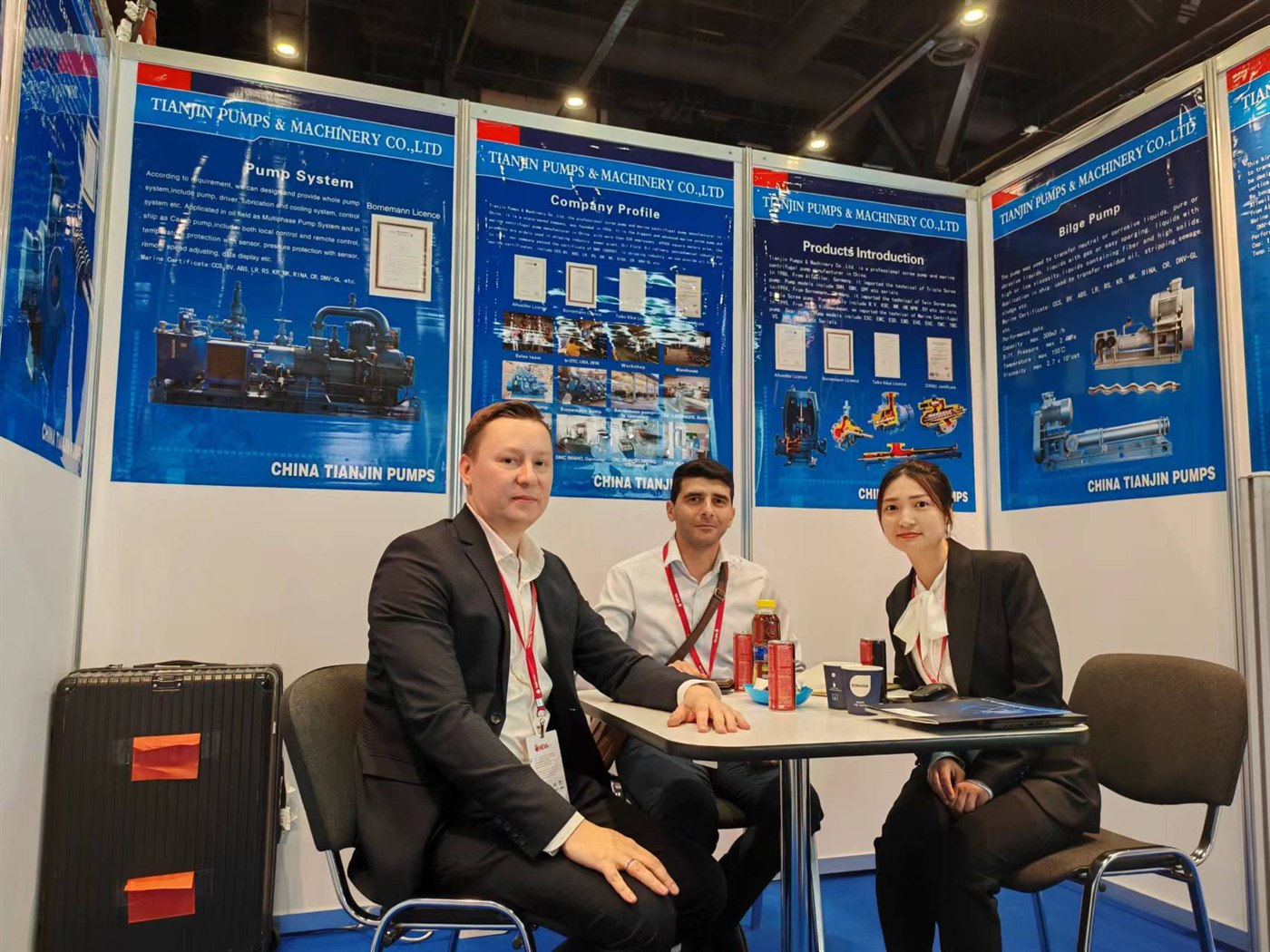
At the end of July 2026, CTP Pumps will attend INAMARINE 2026 in Jakarta, Indonesia. The exhibition will be held from July 28 to 30, 2026 at Jakarta International Expo, Kemayoran. If your team is working on a vessel, shipyard, offshore or port pump project in Indonesia, this is a good opportunity to discuss real operating conditions face to face before making a pump selection.
Engineering View: Selection Starts from the System, Not the Pump Model
In many replacement inquiries, the first message only includes an old pump model or a photo of the nameplate. That information is useful, but it is not enough for a reliable selection. A pump may have been working for years under a condition different from its original design point. Pipe resistance may have changed. The fuel temperature may be different. The strainer may be blocked more often than expected. The motor may have been replaced locally. These details matter.
From a manufacturing and application engineering point of view, a proper marine fuel oil transfer pump selection should begin with the system: liquid, temperature, viscosity, flow rate, pressure, suction condition, duty cycle and required documentation. Only after these conditions are clear should the pump type, speed, material, sealing arrangement and motor power be confirmed.
This is also why CTP Pumps usually asks buyers for working conditions before giving a final marine fuel oil transfer pump recommendation. A quick quotation may look convenient, but a technically checked selection reduces the risk of vibration, cavitation, overload, seal leakage and unstable discharge pressure after installation.
What a Marine Fuel Oil Transfer Pump Must Do
A marine fuel oil transfer pump is usually used to move fuel between storage tanks, settling tanks, day tanks, treatment systems or engine supply units. Depending on the vessel and system design, the liquid may be marine diesel oil, heavy fuel oil, lubricating oil or another viscous petroleum product.
In practical selection work, the pump should be evaluated against several operating conditions:
- Required flow rate and discharge pressure
- Liquid type, viscosity and temperature
- Suction condition and pipe layout
- Continuous or intermittent operation
- Noise and vibration requirements
- Maintenance access on board or in the engine room
- Marine classification documentation required by the project
If these conditions are not confirmed early, the pump may be oversized, undersized or unsuitable for the actual liquid. This can lead to unstable flow, high energy consumption, seal problems, abnormal noise or shortened service life.
Manufacturing Experience Behind the Selection
A marine fuel oil transfer pump is not judged only by its catalog flow and pressure. In production and project support, several details often decide whether the pump will run smoothly in the field.
Rotor and screw profile machining
For screw pumps, the rotor profile and machining accuracy directly affect internal leakage, noise, vibration and volumetric efficiency. Poor machining may still allow the pump to rotate, but it can create unstable performance, higher temperature rise and shorter bearing or seal life. For a marine fuel oil transfer pump, stable internal geometry is especially important because the pump often works continuously and is expected to keep pressure steady.
Clearance control for viscosity and temperature
Clearance is not a simple fixed number. It must match the liquid viscosity, temperature, speed and expected pressure. If the clearance is too large, efficiency drops and the pump may not build pressure well with lower-viscosity oil. If the clearance is too tight, thermal expansion and high-viscosity start-up can increase friction and overload risk. This is why operating temperature should always be included when specifying a marine fuel oil transfer pump.
Material, sealing and bearing arrangement
For marine fuel oil transfer pump applications, material and sealing choices should consider fuel type, temperature, installation space and maintenance access. A seal that works well in a clean workshop test may not be the best option for a hot engine-room environment with limited access. Bearing arrangement, coupling alignment and baseplate rigidity also affect long-term stability.
Factory testing and documentation
For project delivery, inspection and test documentation is often required together with the pump. Factory testing helps confirm rotation direction, leakage condition, pressure behavior, vibration and general operating stability before shipment. For marine projects, this should be coordinated with the required classification society and project documentation scope.
Common Pump Types for Marine Fuel Oil Transfer
Three screw pumps
Three screw pumps are commonly used for lubricating oil circulation, fuel oil transfer and other clean oil duties. Their main advantage is smooth, low-pulsation flow. This makes them suitable for systems where stable pressure and quiet operation are important.
They are often selected for lubricating oil systems, fuel supply units and oil circulation applications. When the liquid is relatively clean and the duty requires steady flow, a three screw pump is often a strong option.
Twin screw pumps
Twin screw pumps are often considered when the fluid is more viscous, the flow rate is higher, or the application requires stronger handling flexibility. They can be used for heavy oil transfer, crude oil, fuel oil, marine loading and unloading, and other industrial transfer duties.
For marine fuel oil systems where viscosity changes with temperature, a twin screw pump may provide a practical solution, especially when the application requires stable transfer of heavier fuel or mixed-viscosity products.
Gear pumps
Gear pumps are also used in oil transfer systems. They are compact and simple in structure, and they can be suitable for smaller flow duties or auxiliary systems. However, when noise, pulsation, viscosity range or long continuous operation are important, engineers often compare them carefully with screw pump options.
Common Field Problems We Try to Prevent During Selection
Many pump problems are not caused by the pump alone. They often come from a mismatch between pump selection and site conditions. In marine fuel oil transfer pump systems, the following field problems are common:
- Motor overload during cold start: fuel viscosity is higher than expected because the oil is not heated enough before start-up.
- Insufficient flow: suction pipe resistance, blocked strainer or excessive viscosity reduces the actual inlet condition.
- Noise and vibration: suction starvation, air entry, misalignment or unsuitable speed can create unstable running.
- Seal leakage: high temperature, pressure fluctuation, poor alignment or unsuitable seal selection can shorten seal life.
- Unstable discharge pressure: the pump type, relief valve setting or system resistance may not match the operating duty.
- Early wear after commissioning: welding slag, hard particles or poor flushing can damage internal parts.
A useful technical inquiry should therefore include both pump performance requirements and installation details. This allows the manufacturer to check whether the selected pump is practical for the actual engine-room or shipyard system.
How to Select the Right Marine Fuel Oil Transfer Pump
1. Confirm viscosity at operating temperature
Viscosity is one of the most important parameters for any marine fuel oil transfer pump. Heavy fuel oil can be difficult to pump when cold, while heating can significantly reduce viscosity. Therefore, the inquiry should state the liquid name, viscosity range and operating temperature.
If the system operates at different temperatures, provide both the normal operating condition and the start-up condition. This helps the pump supplier evaluate motor power, speed, suction performance and material selection more accurately.
2. Define flow rate and pressure clearly
Flow rate and pressure should be based on the system requirement, not only on a previous pump model. For replacement projects, it is useful to provide the existing pump nameplate, but the final selection should still be checked against actual system demand.
For new projects, the inquiry should include design flow rate, discharge pressure, suction pressure if known, pipe distance and whether the pump runs continuously or intermittently.
3. Check suction condition
Poor suction condition is a common cause of marine fuel oil transfer pump problems. Long suction lines, small pipe diameter, high viscosity, low liquid level or insufficient heating can all make the pump work harder than expected.
When selecting a marine fuel oil transfer pump, engineers should review suction pipe layout, tank position, strainer arrangement and liquid temperature. A good pump selection should match the real installation, not only the required outlet pressure.
4. Consider system cleanliness
Fuel oil and lubricating oil systems should include proper filtration or strainers. Even robust positive displacement pumps can be affected by hard particles, welding residue or poor commissioning cleaning.
For shipyard projects, it is useful to specify the expected liquid cleanliness and strainer arrangement. This helps avoid early damage during commissioning.
5. Ask about documentation and marine certificates
For marine projects, technical documentation can be as important as the pump itself. Depending on the project scope, buyers may need drawings, performance data, test records, material documentation or classification certificate support.
CTP Pumps can support marine pump projects requiring documentation for major classification societies (IACS members), including ABS, BV, RINA, LR, DNV, NK, KR, CCS and RS, subject to project requirements and product scope.
For Indonesian shipyards working on a marine fuel oil transfer pump project, this certificate support is often important when the pump must pass owner review, shipyard inspection or classification documentation review. The exact certificate scope should be confirmed at the quotation stage, because different pump models, materials and project requirements may need different documentation.
Certificate examples and our Jakarta meeting page are available here: CTP Pumps at INAMARINE 2026 in Jakarta.
Three Screw Pump vs. Twin Screw Pump: Practical Selection Logic
| Selection Point | Three Screw Pump | Twin Screw Pump |
|---|---|---|
| Typical marine duty | Lubricating oil, fuel supply, clean oil circulation | Heavy oil, fuel transfer, higher flow transfer duties |
| Flow character | Smooth and low pulsation | Stable transfer with broader handling flexibility |
| Best fit | Clean oil systems requiring steady pressure | Viscous liquid transfer and larger system requirements |
| Inquiry focus | Viscosity, pressure, speed, lubrication system duty | Viscosity range, flow rate, suction condition, heavy oil duty |
This marine fuel oil transfer pump comparison is only a starting point. The final selection should be based on the actual liquid, system curve, installation layout and project documentation requirements.
Project Experience: What Buyers Should Discuss at the Exhibition
CTP Pumps has long-term experience as a marine fuel oil transfer pump manufacturer supplying industrial and marine pump products for fuel oil, lubricating oil, cooling, ballast, fire and auxiliary systems. At exhibitions, the most productive discussions are usually not general product introductions. They are technical reviews of real projects.
If you plan to meet our team at INAMARINE 2026 in Jakarta, we recommend bringing the following information:
- General arrangement or pump room layout if available
- Liquid name, viscosity and operating temperature
- Required flow rate, pressure and duty cycle
- Existing pump model and site photos for replacement projects
- Voltage, frequency and motor protection requirements
- Required classification society, such as ABS, BV, RINA, LR, DNV, NK, KR, CCS or RS
- Delivery schedule and required inspection or test documents
With these details, our engineers can discuss whether a three screw pump, twin screw pump, gear pump or marine centrifugal pump is more suitable for the system. This saves time after the exhibition and helps both sides avoid unclear quotations.
Information to Prepare Before Requesting a Quotation
To receive a more accurate marine fuel oil transfer pump recommendation, prepare the following information before contacting a supplier:
- Liquid name and whether it is clean, heated or contains solids
- Viscosity and operating temperature
- Required flow rate and discharge pressure
- Suction condition and tank arrangement
- Voltage, frequency and motor requirements
- Installation location and space limitations
- Required marine classification society or project documentation
- Whether the pump is for new construction, repair or replacement
If you are preparing a marine fuel oil transfer pump project in Indonesia, you can also visit our INAMARINE page to arrange a discussion with the CTP Pumps team: Meet CTP Pumps for marine pump projects in Jakarta.
How CTP Pumps Supports Marine Pump Projects
CTP Pumps is a state-owned industrial pump manufacturer founded in 1956. Our factory background, production experience and project documentation capability allow us to support buyers who need more than a simple catalog selection. For marine and industrial oil transfer applications, our team can help buyers compare pump types, review operating conditions and prepare a more suitable pump selection based on real system requirements.
Our product range for marine fuel oil transfer pump applications includes three screw pumps, twin screw pumps, gear pumps and marine centrifugal pumps for fuel oil, lubricating oil, ballast, cooling, fire and other auxiliary systems. For projects requiring documentation, our team can discuss the required certificate scope before quotation.
To discuss a marine fuel oil transfer pump or lubricating oil pump application, please send your operating conditions through our Pump Selection Assistance page or contact our team directly through the Contact page.